
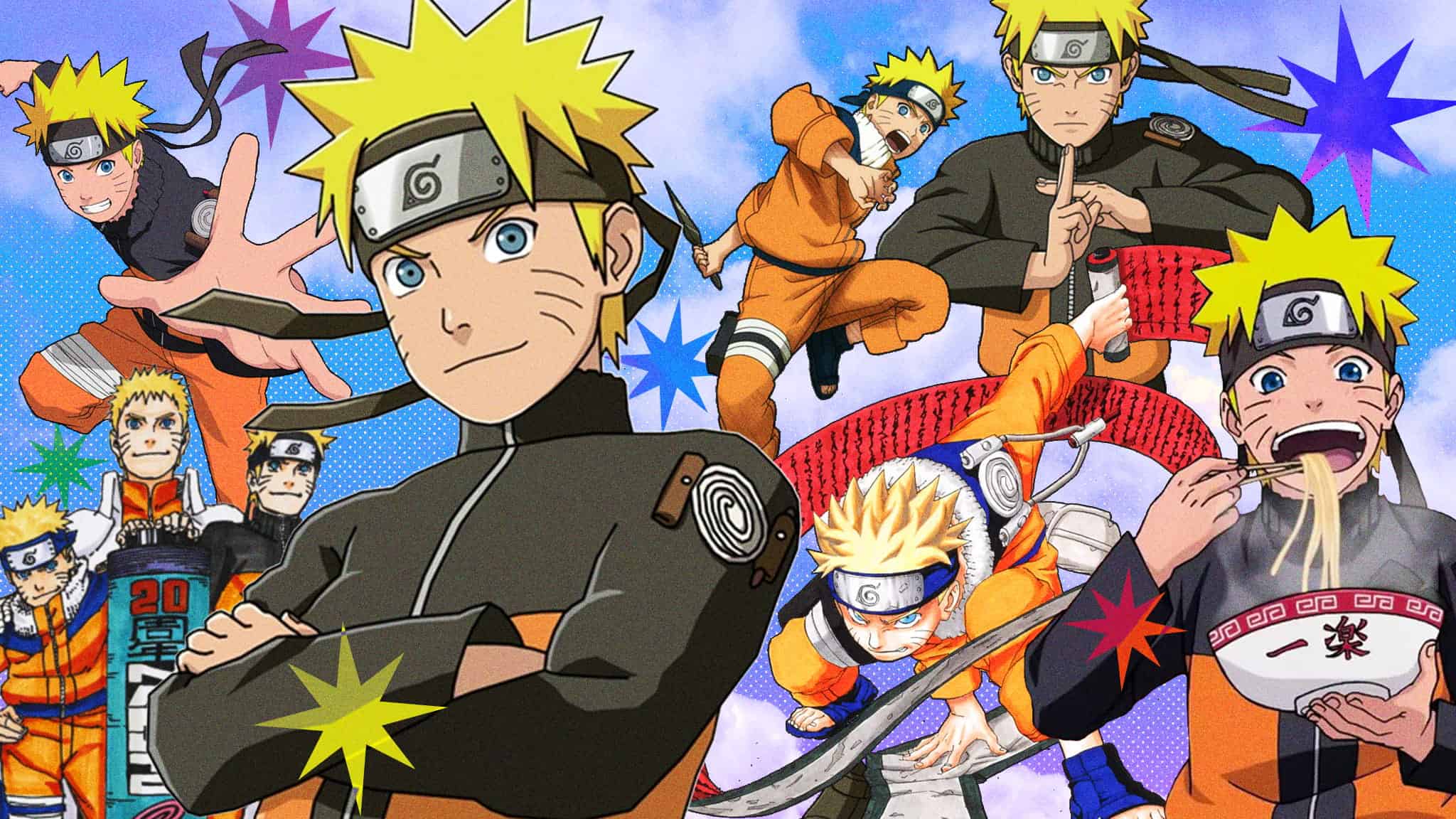
The orange-jumpsuit ninja who could: ‘Naruto’ celebrates 27 years
On the 27th anniversary of the manga, the chakra has remained strong with the iconic orange-suited ninja boy of shōnen renown
The "Naruto" manga first debuted on Sept. 21, 1999.
Graphic by Ryan Quan

Words by Caroline Cao
Before streaming engulfed American households, the old-fashioned gateway to cartoons was flipping through channels and chancing upon a visual that hooked your attention. I was a teen when I stopped on an anime with a boy in orange ninjawear. Thanks to commercials and merch, I knew his name immediately without knowing his story. Onscreen, Naruto Uzumaki marveled at an unfolding battle as he stood on the sidelines. It was the episode of Naruto during which a bushy-browed ninja fights another ninja who is able to summon sand from a gourd. My eyes fixated on the miraculous combat, animated by Studio Pierrot, with a ninja speed-kicking and punching through his opponent’s shapeshifting sandbarriers.
What my channel surfing lucked me into was a renowned gateway arc of the Naruto franchise: the Chūnin Exams, which staged this aforementioned fight between Rock Lee (a spunky taijutsu specialist) and Gaara (a brooding manipulator of sand powers). It also adapts one of the funniest and inventive trials, where student shinobis (ninjas in this world) devise how to use their cunning and superpowers to cheat on a written exam, intentionally designed to encourage undetected cheating.
Who remembers this ICONIC fight: Rock Lee vs. Gaara 👊 (via Naruto) pic.twitter.com/XQlhWoGLZ4
— Crunchyroll (@Crunchyroll) September 18, 2026
For the other then-novices out there, did you learn about the memetic “Naruto run,” performed by a runner at the Storm Area 51? Did you spy President Donald Trump posting himself in an AI-generated Naruto getup on Truth Social? The more you get to know Naruto, the more you know he would rebuke the president’s ego.
Origin story
Naruto was first conceived as mangaka Masashi Kishimoto’s 1995 one-shot, winning an honorable mention in the Tokyo publisher Shueisha’s monthly Hop Step Award, before it would evolve and expand into a manga ninja saga that ran in Shueisha's shōnen manga magazine, Weekly Shōnen Jump, from September 1999 to November 2014.
The manga draws a magical ninja world, starting out with the title character’s home village of Konohagakure, or Hidden Leaf Village. Absorbing plenty of social scorn, Naruto got the memo that he had to work twice as hard to catch up—and expedite his doppelganger powers. Not to mention, the lethal spirit of the Nine-Tailed Fox was also imbued within him—thanks to heartwrenching circumstances clarified later. Naruto and his mentors face conflicts about him unleashing the Nine-Tailed power and risking it consuming him.
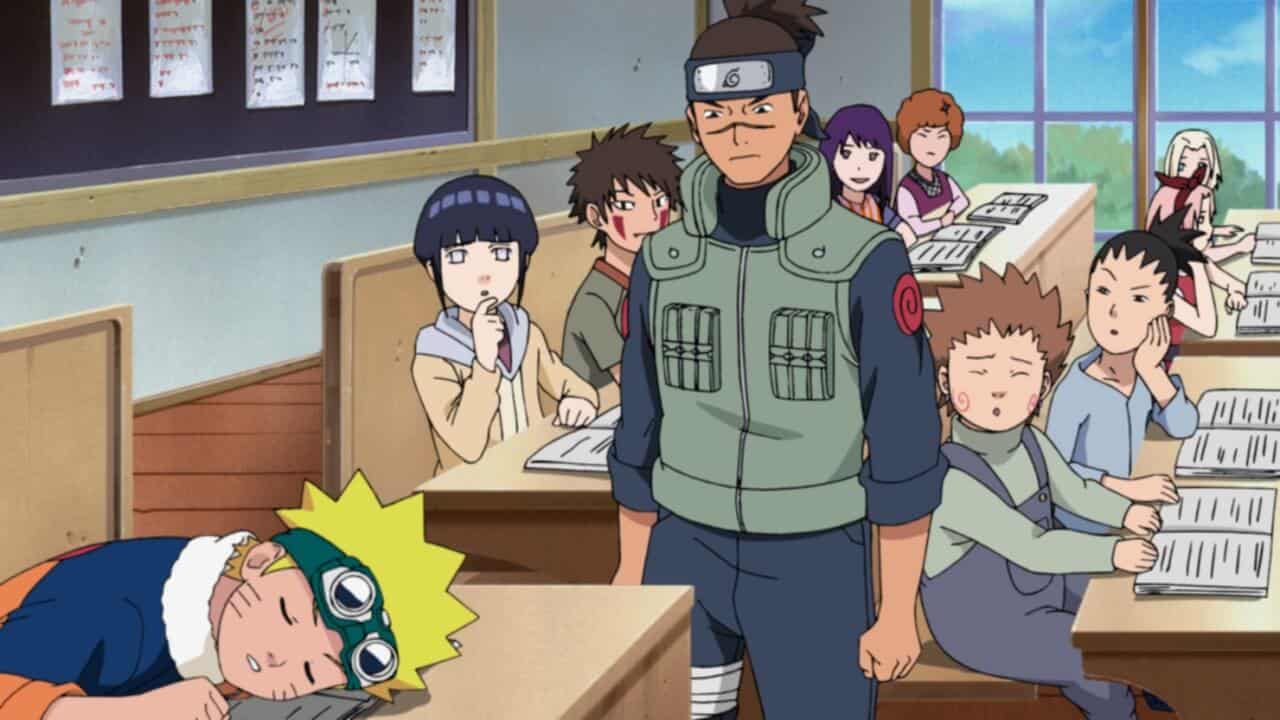
"Naruto" ran in the shōnen manga magazine, "Weekly Shōnen Jump," from September 1999 to November 2014.
Courtesy of Viz
Raised on Akira and Dragon Ball Z, and having lived in Okayama near Hiroshima, Kishimoto knew his grandfather's experience with war. His grandfather’s story informs Naruto’s growth when the antagonists reveal deep-seated entanglements in their motives, and Naruto’s eventual vow to break the cycle of wars perpetuated before his birth and during his lifetime.
The manga contains hallmarks of riveting shōnen: the hardworking black sheep (Naruto’s dream to become Hokage, the village’s lead protector), a colorful cast with diverse powers that result in punchy panels (like the aforementioned Rock Lee versus Gaara battle), and wallops of tragic backstories. Quite memorably, Naruto and the fan-favorite Sasuke, a loner prodigy with a shared orphan background for a dramatically different reason, have a rivalry that slow-burns into mutual respect and spiritual brotherhood. Sasuke’s infamous defection only increases the fraternal passion Naruto feels for him.
Gateway into shōnen
For transparency’s sake, I have mastered reading 700 chapters of Naruto on the Shonen Jump app, but am still working with limited free time to complete the entire 220 episodes of Naruto, 500 episodes of Naruto Shippuden, 11 movies, the ongoing Boruto sequel manga and anime that follows his eponymous son, and other visual media.
Regardless, the Naruto anime realm is vast enough that plunging in media res can be enough of a gateway—though mileage varies regarding the anime series fillers, with published “skippable fillers” guides available for the interested. While fillers can illuminate relationships and comedic idiosyncrasies, a more serious offense is the anime leaning into pervert comedy, a pesky problem in shonen. If the mentor character of Jiraiya, frequently called “Pervy Sage,” didn’t already have punchable peeping traits in the manga, the anime’s Naruto (who’s annoyed with Pervy Sage’s bathhouse antics in the manga) is more prone to perversion—to the degree of violating women’s privacy—than his manga incarnation.


That said, the few Naruto feature installments I caught are crafted with loving, operatic corniness by Studio Pierrot. The first film, the 2004 Ninja Clash in the Land of Snow, deals with an escort mission to rescue a princess, who posed as an actress, and return her to the Land of Snow since she is destined to bring summer. The current penultimate movie, The Last, delivers a brink-of-moon-apocalypse love story, redeeming a romance that otherwise had been underdeveloped in the manga.
Naruto’s future
The Sharingan—an in-universe power that resembles predictive abilities—looks strong for Naruto’s future, although it can’t prognosticate yet whether an upcoming live-action movie, directed by Daniel Dustin-Cretton of Spider-Man: Brand New Day, will hit the live-action success of One Piece, or the critical revile of the Cowboy Bebop remake series and Death Note.
Those skeptical of live-action translations may take solace as this year’s New York Comic Con is expected to announce a new animated movie. Until then, adventure awaits in the manga.
Naruto, Naruto Shippuden, and Boruto are available to stream on Crunchyroll. Shippuden and many of the movie installments are also streaming on Netflix, with some movies streaming for free with ads on Roku.
Published on September 21, 2026
Words by Caroline Cao

Art by Ryan Quan
Ryan Quan is JoySauce's social media manager, associate editor, and all-around visual eye. This queer, half-Chinese, half-Filipino writer and graphic designer loves everything related to music, creative nonfiction, and art. Based in Brooklyn, he spends most of his time dancing to hyperpop and accidentally falling asleep on the subway. Follow him on Instagram at @ryanquans, and check out his work on his website.