
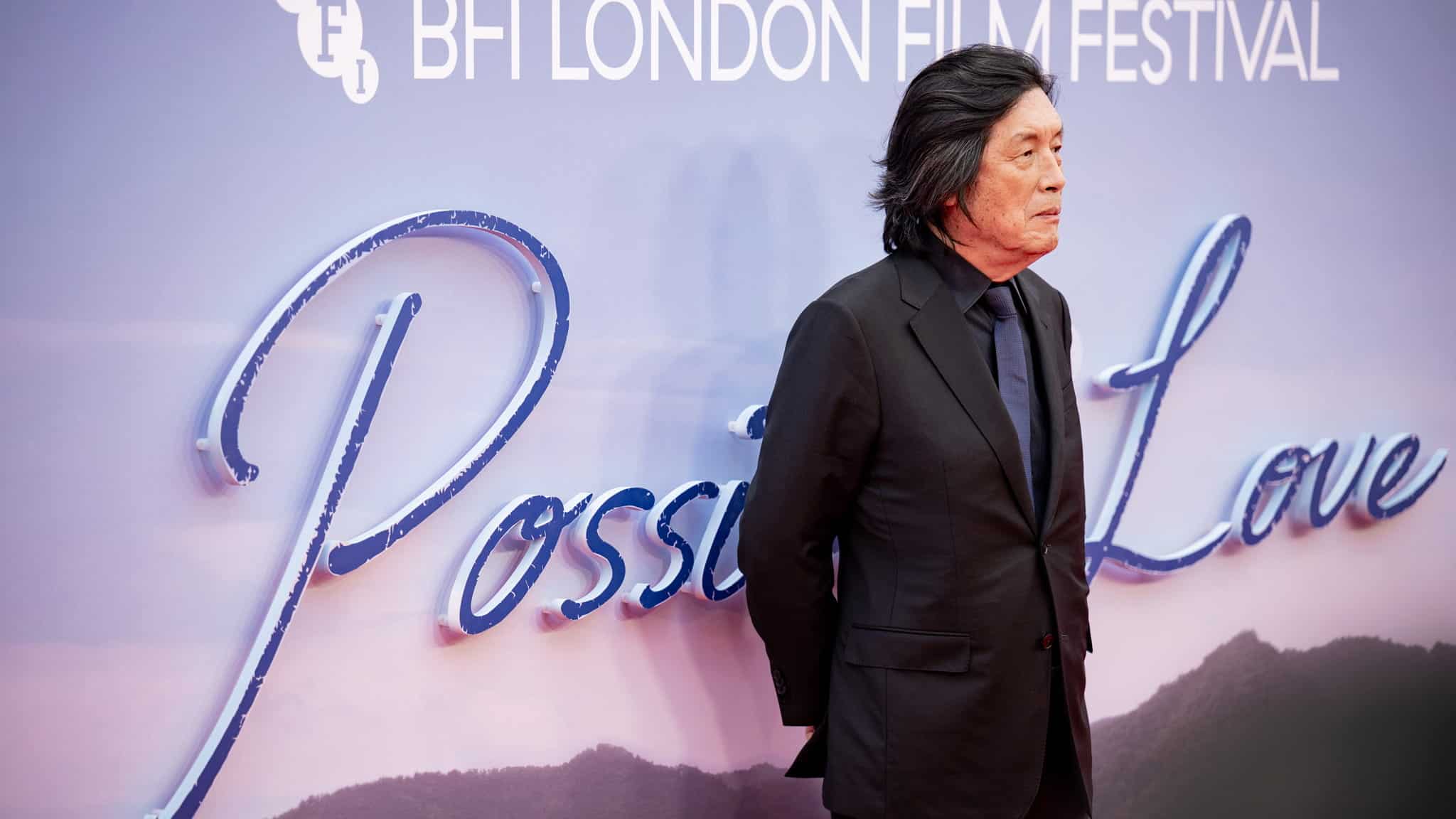
Lee Chang-Dong hopes ‘Possible Love’ helps heal viewers
The filmmaker, who has been part of the South Korean cinematic ecosystem for decades, examines social class in his latest film
Filmmaker Lee Chang-Dong at the UK premiere of Netflix's “Possible Love.”
Kate Green/Getty Images for Netflix

Words by Andy Crump
Gaps in social strata today span wider than perhaps any other point in modern history, best understood through wealth discrepancies. Put in simplest terms, the rich are richer now than they’ve ever been; mercifully, the inverse isn’t true for lower classes, though in 2026, even the term “middle class” lends an impression of deficiency. The haves have too much. The have-nots have far too little. It’s the same song that’s been playing on a loop since the late 2000s, and it’s into this ecosystem that venerated filmmaker Lee Chang-dong, a critical load-bearing beam connecting South Korea’s First New Wave to its Second, has released his latest film, Possible Love, in partnership with Netflix.
Take Lee out of the picture and South Korean cinema as we know it now looks completely different. Yes, it’s for good reason that filmmakers like Park Chan-wook and especially Bong Joon-ho enjoy as much love and recognition stateside as they do; there are, however, other South Korean directors—many of whom walked so that Park, Bong, and their contemporaries could run. To say that Lee has spent his career merely treading water would, of course, grossly misrepresent his work. Whatever niches of human experience he explores on screen—be it in Green Fish (1997), Peppermint Candy (1999), Oasis (2002), Secret Sunshine (2007), Poetry (2010), or Burning (2018)—he approaches his material with a deliberate touch, and his characters with compassion. Unfailingly, he sees the good in them.
If Burning—the first South Korean film to be placed on the shortlist for the Academy Awards’ Best International Feature Film category—provides an exception to that rule on account of its psychological thriller structure, Possible Love is a reminder of the care Lee takes with the people whose stories make up the grist of his films. Here, two married couples—Mi-ok (Jeon Do-yeon) and Ho-seok (Sul Kyung-gu), and Ye-ji (Cho Yeo-jeong) and Sang-woo (Zo In-sung)—hit a collision course together as the chasm separating their financial statuses quietly looms over their every interaction.
At first, they engage timidly with one another. Ye-ji, a filmmaker herself, is in production on a documentary about a workers strike that ended in a ghastly state crackdown on the employees for SP Heavy, a manufacturing company, coupled with mass layoffs; Ho-seok and Mi-ok participated in the strike and suffered the consequences, Ho-seok most of all. He’s less a person and more a husk. As Ye-ji gets deeper into the project, she reaches out to Mi-ok in a genuine attempt at friendship that grows knotted as the story unfolds. Can the rich truly connect with blue-collar laborers? Does the matter of money place them at an insurmountable divide? Lee wants viewers to chew on these questions while they watch Possible Love, but by no means does the film imply that connection between disparate classes is impossible. In its thoughtful way, tender and wrenching, it invites us to try.
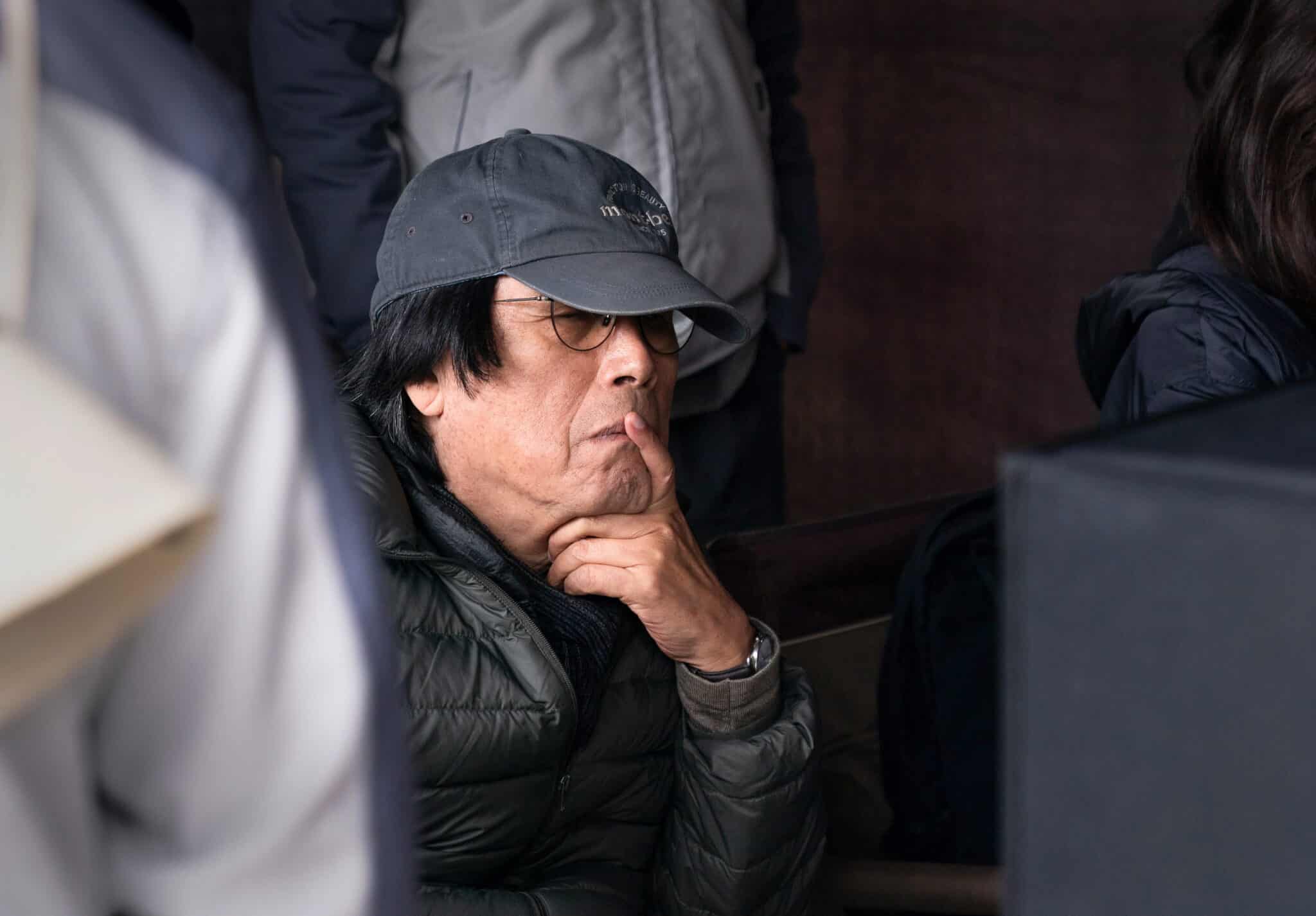
Lee Chang-Dong behind the scenes of "Possible Love."
Netflix
I had the great privilege of speaking with Lee about Possible Love’s various questions about class and wealth, nigh-impossible as they are to succinctly answer, as the film lands on Netflix this month.
This interview has been edited for clarity and length.
Andy Crump: I think the answer to my first question lies in the movie, but I wanted to hear your thoughts: how do people coexist and relate with one another despite class disparities? Ye-ji represents this question; she's unaware of how her status interferes with her profession and friendships. But I don't think the point of the film is that we can only be friends with people who have the same amount of money in the bank as we do.
Lee Chang-dong: I didn't set out intending to answer that particular question in the film, because I think we can agree that that question itself is a very difficult one to tackle, and also, I think we live in a day and age where asking such questions, and the importance of such questions, is becoming stronger. Despite all of that, I think that we can see hope, or a hint, from where Ye-ji begins, and how much effort she puts into that. As we know in the film, she says that she is trying to love the people that she's capturing on camera, and to that, her husband, Sang-woo, says, "You're only method acting." He draws the line that (Ye-ji) will never be like them.
However, when Ye-ji holds up her camera—albeit the nature of the camera is sometimes exploiting, or it tends to use whatever it is capturing—she is still trying, and as a result, the character Ho-seok sits in front of Ye-ji’s camera and that leads him to completely reveal and let go of his emotions. I think that regardless of what the camera's intentions were, that experience might have healed him in a way, and so I think that in these efforts, even though sometimes it's not equal—it can be violent, and it's never a level playing field—as long as we try and approach with love, there's hope, and that's what I wanted for the audiences to feel.
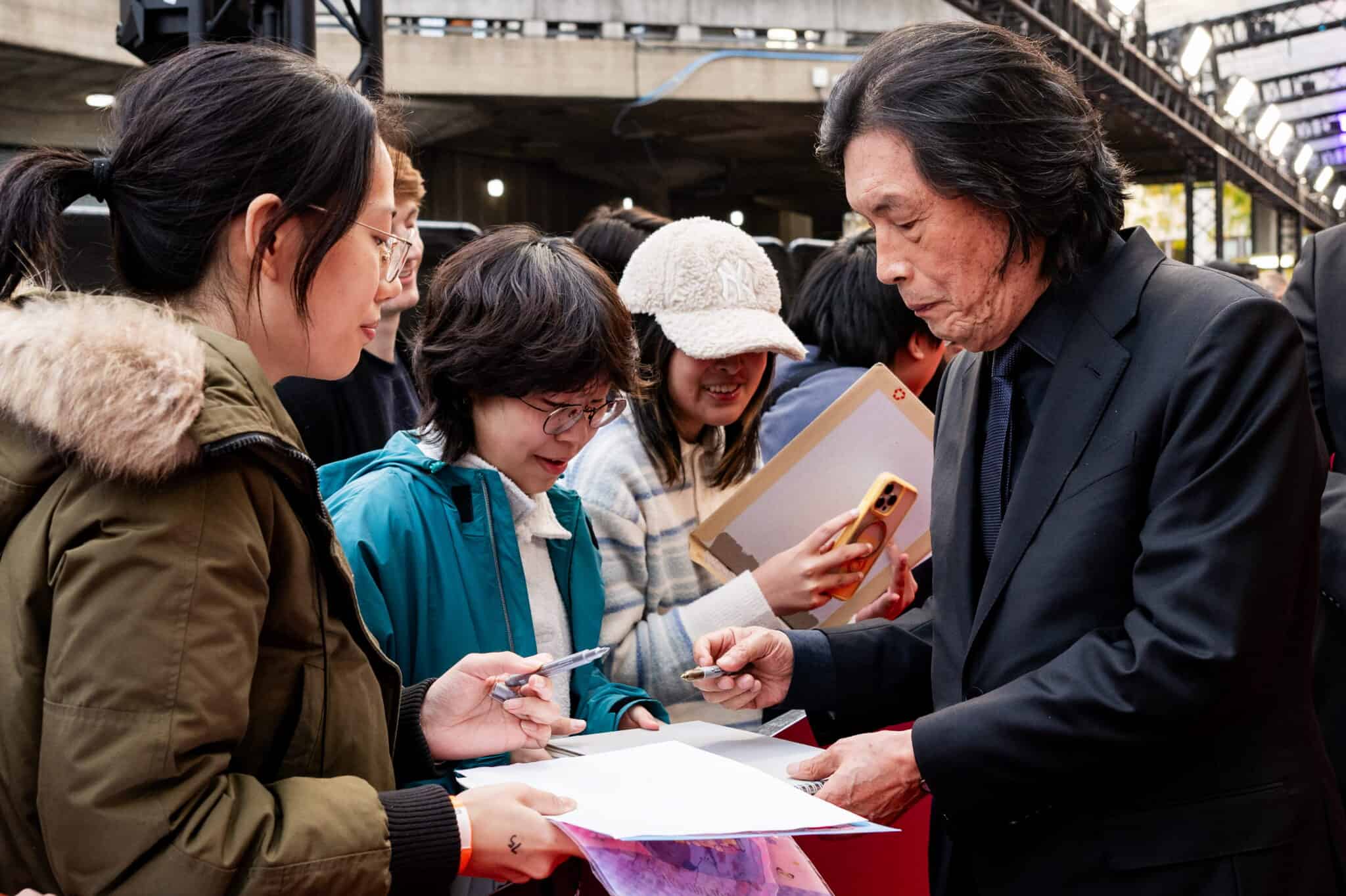
Lee Chang-dong attending the UK premiere of Netflix's “Possible Love” during the 70th BFI London Film Festival.
Getty Images for Netflix
AC: The film premiered at (the Venice Film Festival); it played at the Toronto International Film Festival and the New York Film Festival. These are great backgrounds, but it feels like the movie will come to life once it reaches commercial audiences. I'm curious if, in your eyes, that's where it belongs most? You could say that of every film, but Possible Love screams to be seen by audiences of, for lack of a better phrase, regular people.
LCD: As you said, I think that this film is the type of film that is intended to be seen really by ordinary people just like Ho-seok and Mi-ok in the story, and I hope that it's a film people can come together for and share and talk about. Of course, it's not the kind of film you would go to for entertainment; it's not going to let you escape from your daily stress. However, it is a film, I hope, that will allow you to reflect on your own life and maybe even give you a little bit of a healing experience. This film opened in theaters in Korea recently, and I've been seeing a lot of responses where people say it reminds them of their parents or it allows them to look back on the way they're living their lives, and I hope that that will be the way how the general public receive it.
Published on November 2, 2026
Words by Andy Crump
Bostonian culture journalist Andy Crump covers movies, beer, music, fatherhood, and way too many other subjects for way too many outlets, perhaps even yours: Paste Magazine, Inverse, The New York Times, Hop Culture, Polygon, and Men's Health, plus more. You can follow him on Bluesky and find his collected work at his personal blog. He’s composed of roughly 65 percent craft beer.